Gandhi's Major Movements in the Freedom Struggle
Champaran to Quit India: each Gandhian movement in order, with the year, the cause, the turning point and the way it ended, plus the pacts and acts around them.
By DesiQuiz Editorial Team· Updated 9 Oct 2026· 5 min readModern Indian History quiz
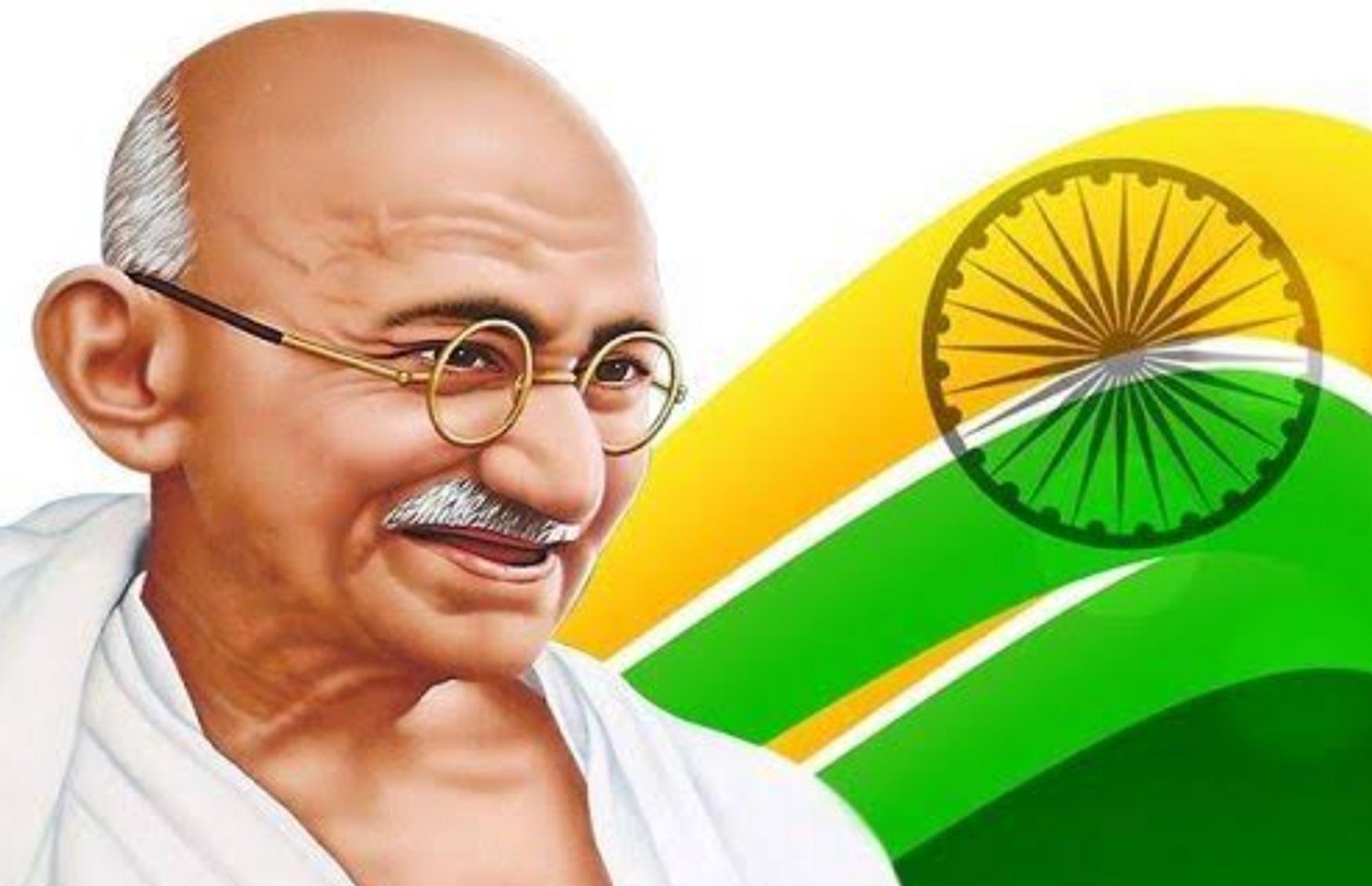
Mahatma Gandhi returned to India from South Africa in 1915, and by 1920 he was the central figure of the national movement. His method was satyagraha, non-violent resistance based on truth. Questions about this period almost always ask for one of four things: the year, the place, the cause, or how the movement ended. This guide is organised around those four.
Before the mass movements (1917-1918): three local satyagrahas
| Movement | Year | Place | Cause |
|---|---|---|---|
| Champaran | 1917 | Bihar | Indigo planters forced peasants to grow indigo on part of their land (the tinkathia system). Gandhi's first satyagraha in India. |
| Ahmedabad mill strike | 1918 | Gujarat | Dispute between mill owners and workers over a plague bonus. Gandhi's first hunger strike in India. |
| Kheda | 1918 | Gujarat | Peasants could not pay revenue after crop failure. Vallabhbhai Patel emerged as a leader here. |
At Champaran he worked with Rajendra Prasad and Brajkishore Prasad, among others.
The Rowlatt Act and Jallianwala Bagh (1919)
- The Rowlatt Act (March 1919) allowed detention without trial. Gandhi called a nationwide hartal.
- On 13 April 1919, General Reginald Dyer's troops opened fire on an unarmed crowd at Jallianwala Bagh, Amritsar. The massacre turned many moderates against British rule. Tagore renounced his knighthood in protest.
- The Hunter Committee was appointed to inquire into the events.
Non-Cooperation Movement (1920-1922)
- Launched: 1 August 1920, after a Special Session of Congress at Calcutta (September 1920) and the Nagpur session (December 1920) adopted it. It was combined with the Khilafat Movement, led by Muhammad Ali and Shaukat Ali, which gave it support from Muslims.
- Programme: boycott of British courts, schools, titles and foreign cloth; promotion of khadi and the charkha; resignation from government posts.
- End: on 5 February 1922 a mob set fire to a police station at Chauri Chaura (Uttar Pradesh), killing 22 policemen. Gandhi called off the movement. The Khilafat cause was also weakened when Turkey abolished the caliphate in 1924.
Civil Disobedience Movement (1930-1934)
- Background: the Simon Commission (1927-28) had no Indian member and was boycotted. The Nehru Report (1928) proposed a constitution. At the Lahore session (December 1929), under Jawaharlal Nehru, Congress declared Purna Swaraj (complete independence) as its goal; the first Independence Day was observed on 26 January 1930.
- Dandi March (12 March - 6 April 1930): Gandhi walked about 240 miles (roughly 385 km) from Sabarmati Ashram to Dandi on the Gujarat coast with 78 followers, and broke the salt law.
- Spread: salt satyagraha along the coasts, refusal to pay taxes, and picketing of liquor shops. Abdul Ghaffar Khan (the "Frontier Gandhi") led the Khudai Khidmatgar movement in the North-West Frontier.
- Round Table Conferences (1930-32): Gandhi attended the second one in London in 1931 after the Gandhi-Irwin Pact (March 1931).
- Communal Award (1932) and the Poona Pact (1932): the Communal Award gave separate electorates to the Depressed Classes. Gandhi fasted in protest, and the Poona Pact, agreed with B. R. Ambedkar, replaced it with reserved seats within the general electorate.
Quit India Movement (1942)
- Background: the failure of the Cripps Mission (March 1942), which offered dominion status after the Second World War.
- Launch: on 8 August 1942 at Gowalia Tank Maidan, Bombay, Congress passed the Quit India resolution. In his speech that day Gandhi gave the call "Do or Die".
- Response: Congress leaders were arrested in the early hours of 9 August. Leaderless, the movement spread through strikes, sabotage and parallel governments in places such as Ballia, Tamluk and Satara. Aruna Asaf Ali hoisted the flag at Gowalia Tank on 9 August; Jayaprakash Narayan and Ram Manohar Lohia were prominent underground leaders.
- Outcome: it was suppressed by force, but Britain's position had been fundamentally weakened.
What came next
- Cabinet Mission (1946) proposed a federal structure; its plan fell apart over differences between Congress and the Muslim League.
- Mountbatten Plan (3 June 1947) and the Indian Independence Act (July 1947) led to the Partition and independence on 15 August 1947.
Quick timeline
| Year | Event |
|---|---|
| 1915 | Gandhi returns to India |
| 1917 | Champaran |
| 1918 | Ahmedabad and Kheda |
| 1919 | Rowlatt Act; Jallianwala Bagh |
| 1920-22 | Non-Cooperation and Khilafat |
| 1930 | Dandi March; Civil Disobedience |
| 1931 | Gandhi-Irwin Pact |
| 1932 | Communal Award; Poona Pact |
| 1942 | Quit India |
Common traps
- The Non-Cooperation Movement was withdrawn after Chauri Chaura, not after Jallianwala Bagh.
- Dandi is in Gujarat, and the march began at Sabarmati, not Dandi.
- The Poona Pact (1932) was reached between Ambedkar and Hindu leaders such as Madan Mohan Malaviya, after Gandhi began his fast in Yerwada jail.
- "Do or Die" belongs to Quit India (1942), not Non-Cooperation.