Indian Awards and Honours Explained
The Bharat Ratna, Padma awards, gallantry awards, sports and literary honours, who gives them, when they are announced and the records that quizzes ask about.
By DesiQuiz Editorial Team· Updated 9 Oct 2026· 5 min readCurrent Affairs quiz
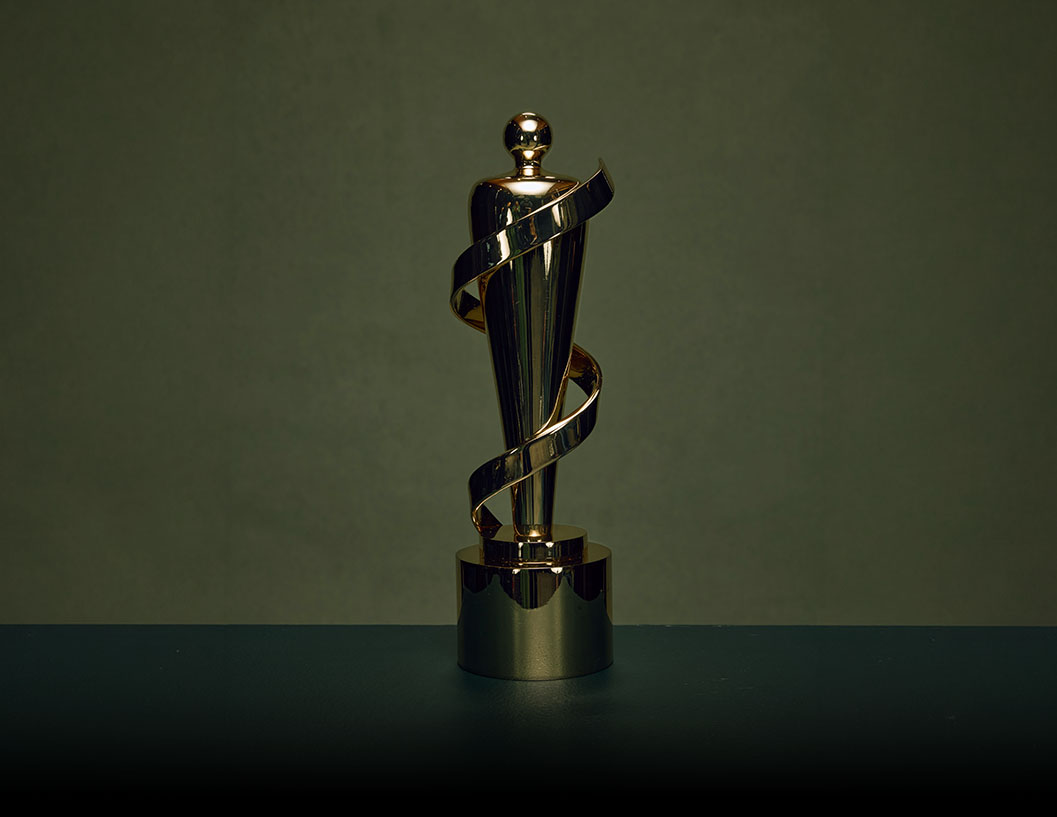
Awards are a staple of current-affairs quizzes, partly because they are announced every year. The facts that stay the same from year to year are the ones to learn: what each award is, who gives it, when it was started, and who got it first. Names of recent winners change, so check an up-to-date source for those.
Civilian honours
Bharat Ratna is the highest civilian award of India.
- Instituted in 1954. The first recipients, in 1954, were C. Rajagopalachari, S. Radhakrishnan and C. V. Raman.
- It is given for exceptional service in any field. It is not a title: it cannot be used as a prefix or suffix to a name.
- No more than three may be awarded in a year.
- Lal Bahadur Shastri (1966) was the first posthumous recipient. Khan Abdul Ghaffar Khan (1987) was the first non-Indian recipient, and Nelson Mandela (1990) another.
- Sachin Tendulkar (2013, announced; conferred 2014) was the first sportsperson and is among the youngest recipients.
Padma awards are, in order of precedence:
- Padma Vibhushan: exceptional and distinguished service
- Padma Bhushan: distinguished service of a high order
- Padma Shri: distinguished service
They were instituted in 1954 and are announced on the eve of Republic Day (25 January). They are conferred by the President in a ceremony at Rashtrapati Bhavan in the spring.
Gallantry awards
For wartime and combat:
- Param Vir Chakra (highest), Maha Vir Chakra, Vir Chakra
For peacetime:
- Ashoka Chakra (highest), Kirti Chakra, Shaurya Chakra
Major Somnath Sharma received the first Param Vir Chakra (posthumously) for the 1947 war in Kashmir. The medal's design is credited to Savitri Khanolkar.
Sports honours
- Major Dhyan Chand Khel Ratna Award: the highest sporting honour. It was earlier named after Rajiv Gandhi and was renamed for the hockey player Major Dhyan Chand in 2021.
- Arjuna Award (from 1961): for outstanding performance in sport.
- Dronacharya Award (from 1985): for coaches.
- Dhyan Chand Award: for lifetime contribution to sport.
Arts and literature
- Jnanpith Award (instituted in 1961, first presented in 1965): the highest literary honour for writing in Indian languages. The first recipient was the Malayalam poet G. Sankara Kurup.
- Sahitya Akademi Awards (from 1954): given in 24 languages.
- Dadasaheb Phalke Award (from 1969): the highest honour in cinema.
- Sangeet Natak Akademi Awards for music, dance and drama.
- Saraswati Samman: a literary award by the K. K. Birla Foundation.
Other well-known honours
- Gandhi Peace Prize: awarded by the Government of India for non-violence and social transformation.
- Shanti Swarup Bhatnagar Prize: the major science award, given by CSIR.
- Ramon Magsaysay Award: a Philippines-based prize often won by Indians such as Vinoba Bhave (the first recipient from India, 1958), Mother Teresa and Kiran Bedi.
International prizes with Indian winners
- Booker Prize: Arundhati Roy won in 1997 for The God of Small Things; Kiran Desai in 2006 for The Inheritance of Loss; Aravind Adiga in 2008 for The White Tiger. Salman Rushdie, born in Bombay and a British citizen, won in 1981 for Midnight's Children.
- International Booker Prize 2022: Geetanjali Shree's Tomb of Sand (originally Ret Samadhi, translated by Daisy Rockwell) was the first book translated from Hindi to win.
- Nobel Prizes: see our separate guide on Indian Nobel laureates.
- Oscars: Bhanu Athaiya (1983), Satyajit Ray (honorary, 1992), A. R. Rahman (2009) and the 2023 winners for RRR and The Elephant Whisperers.
How the national awards are chosen
- For the Padma awards, nominations come from state governments, ministries, institutions and, since 2016, from the public through an online portal. A committee constituted by the Prime Minister each year recommends names to the President.
- The Bharat Ratna has no nomination process of this kind: the Prime Minister recommends names to the President.
- Gallantry awards are recommended by the armed forces and approved by the Ministry of Defence.
The yearly calendar
Some awards come at predictable times, which helps in current-affairs revision.
| Month | What is announced |
|---|---|
| January | Padma awards (eve of Republic Day); gallantry awards |
| February-March | Filmfare and other film awards; the National Film Awards come later in the year |
| October | Nobel Prizes (Peace Prize announced in Oslo, the others in Stockholm) |
| December | Sahitya Akademi Awards |
The dates for national film awards and many others vary from year to year, so check a current source before relying on this table.
Who gives what
| Honour | Given by |
|---|---|
| Bharat Ratna, Padma awards | President of India, on the Prime Minister's recommendation |
| Param Vir Chakra and other gallantry awards | President of India |
| Khel Ratna, Arjuna | Ministry of Youth Affairs and Sports |
| Sahitya Akademi | Sahitya Akademi (National Academy of Letters) |
| Jnanpith | Bharatiya Jnanpith Trust |
Common traps
- Bharat Ratna and the Padma awards are civilian honours. They are different from the military's Param Vir Chakra.
- The Padma awards form a ranked set of three; the Bharat Ratna is above them but is not a Padma award.
- The Dadasaheb Phalke Award is for cinema, not literature.
- The Khel Ratna was renamed: older sources still use the Rajiv Gandhi name.